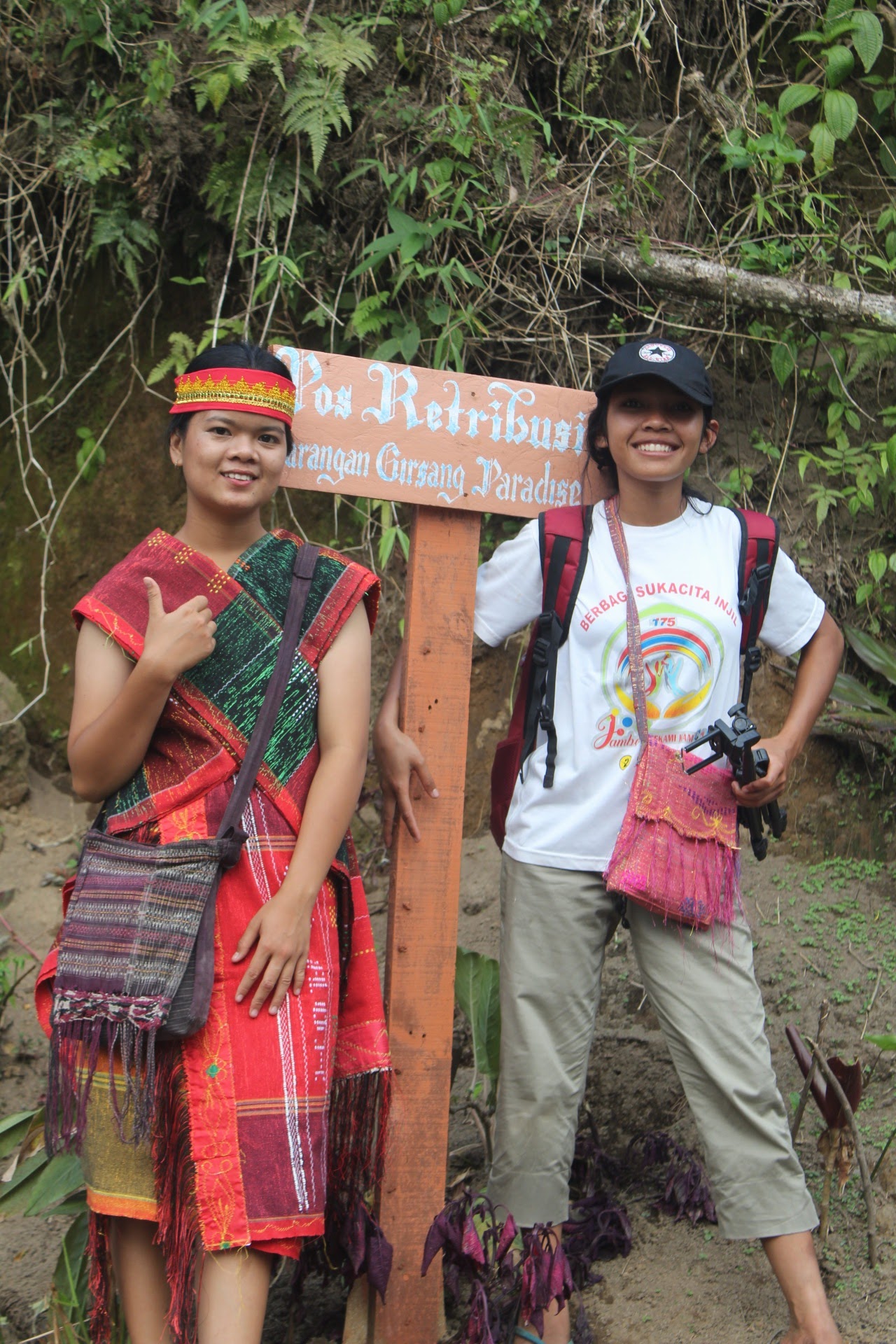
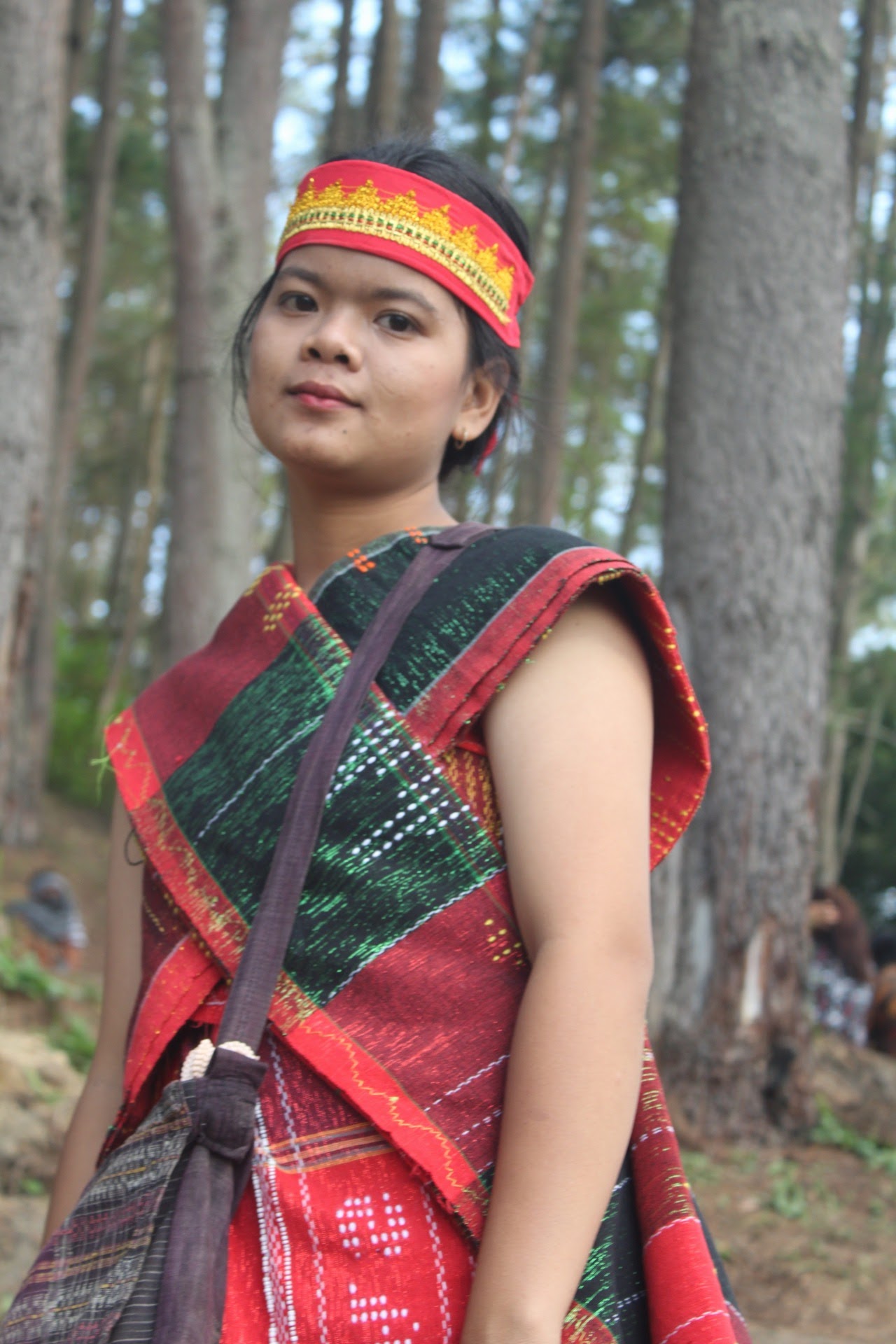
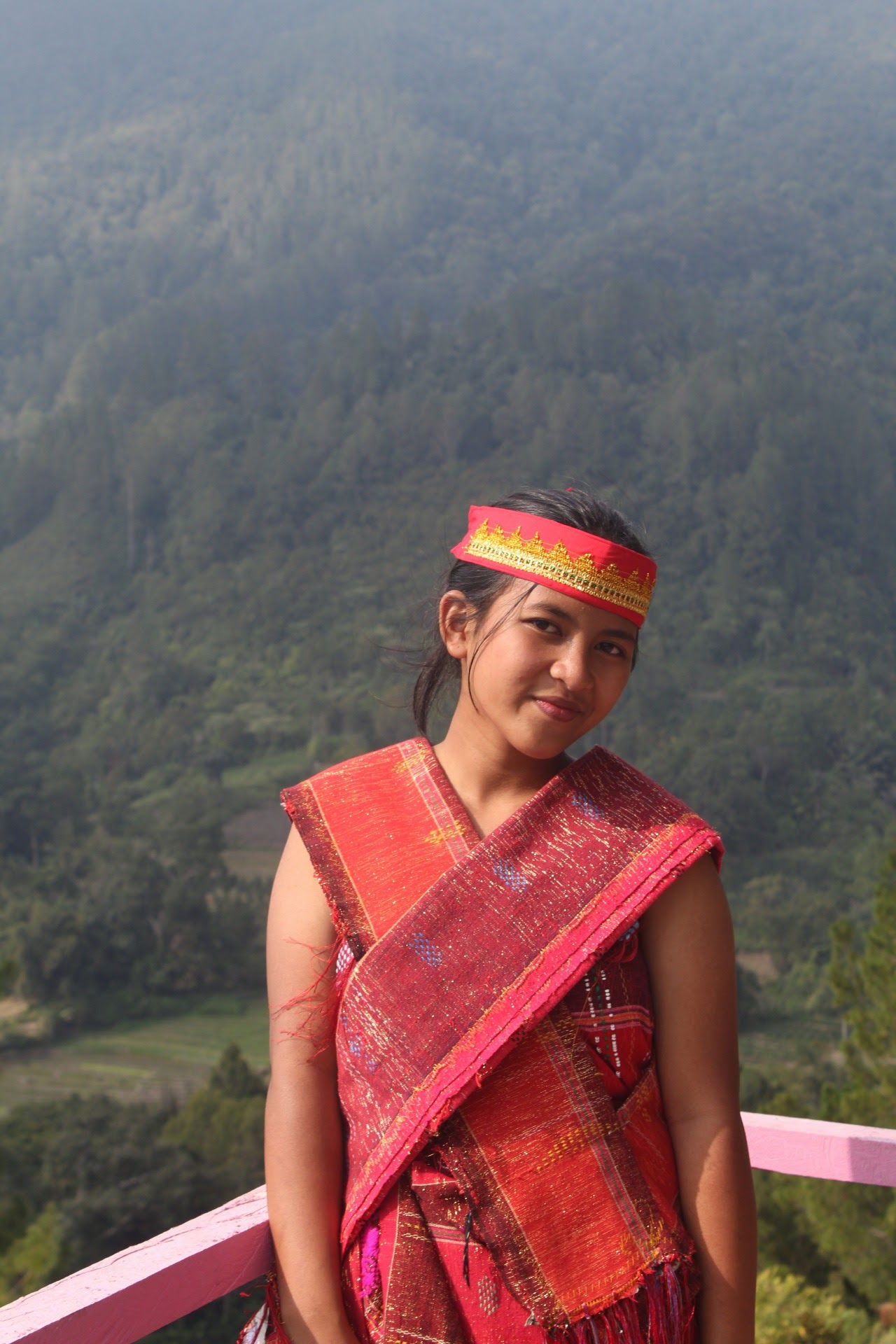
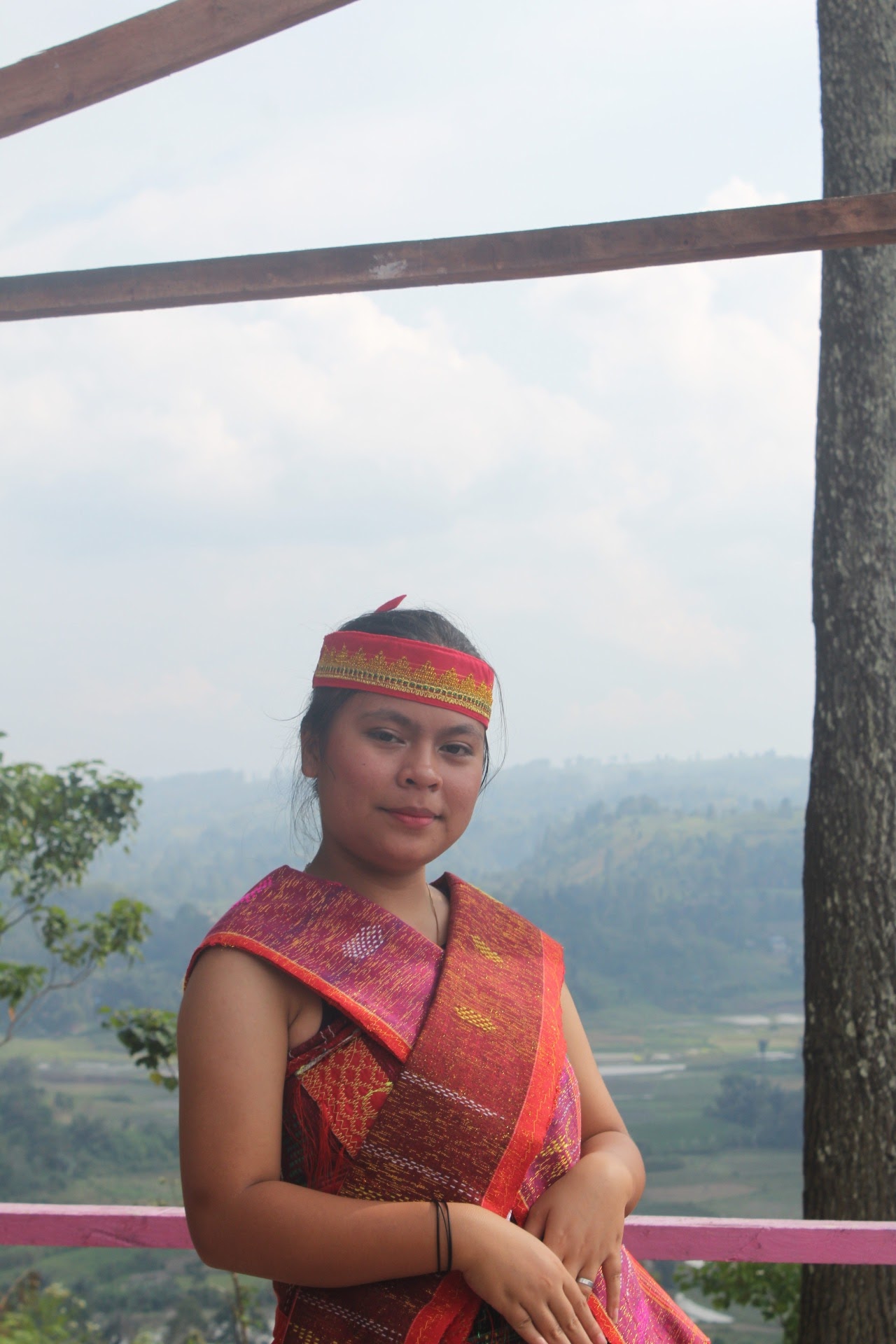
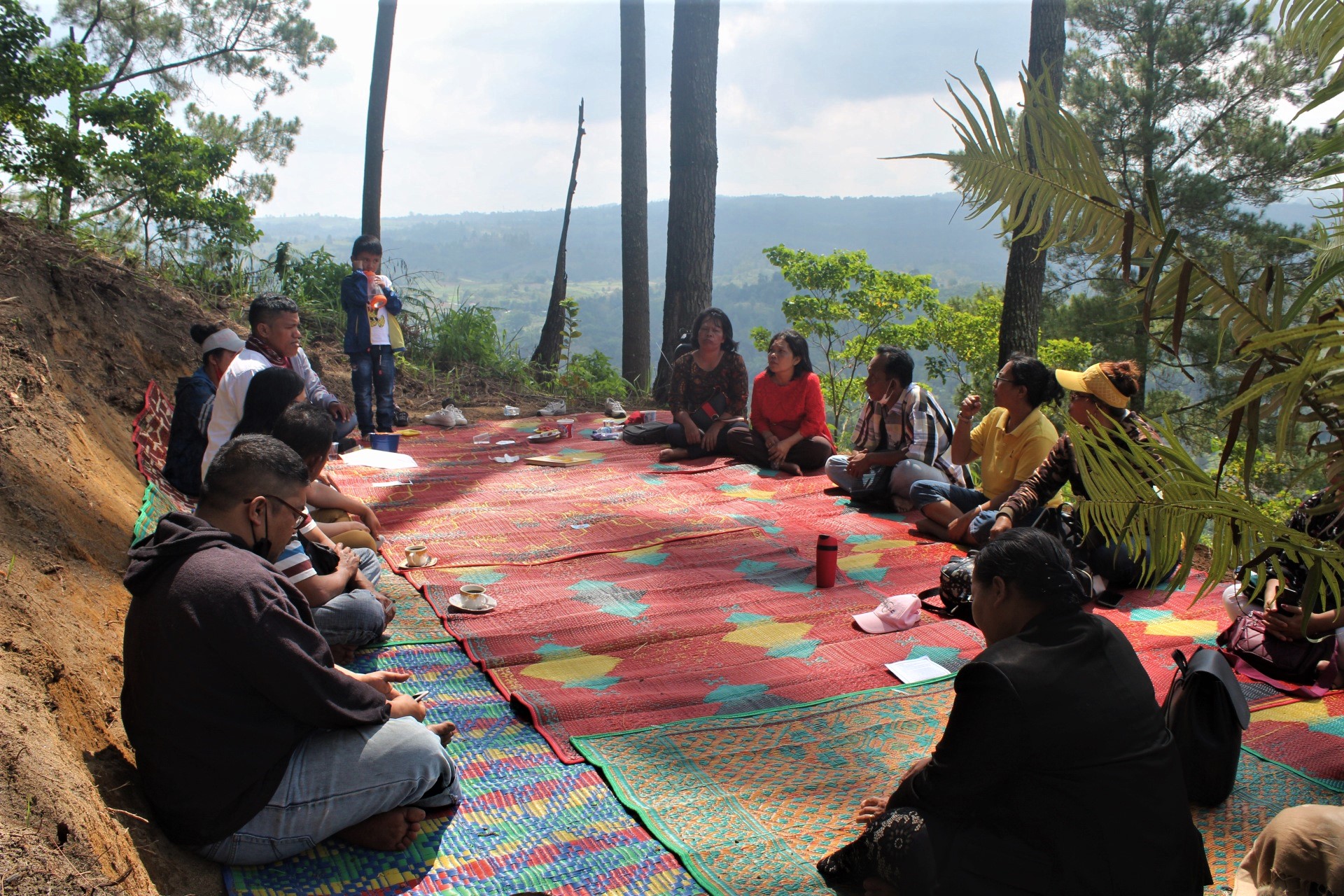
Just a few minutes from Parapat and Lake Toba, there is a village where you can slow down, walk through rice terraces, meet local farmers, discover traditional Batak houses and experience a way of life closely connected to nature.
Looking for a Different Side of Lake Toba?
Most travellers come to Lake Toba for its spectacular scenery.
But what if you could go beyond the famous viewpoints and experience how people actually live in the landscape?
Welcome to Kampung Girsang.
Located in Simalungun, close to Parapat, Kampung Girsang is only around 2 kilometres from Parapat and about seven minutes from Pantai Bebas. Yet once you enter the village, the atmosphere feels completely different from the busy tourist areas.
Here, forests, farms, traditional houses, streams, rice terraces and village life exist side by side.
This is not a place you visit simply to take a photograph.
It is a place to experience.
A Living Landscape Around Lake Toba
Kampung Girsang sits within the Toba Caldera Geopark area and has a landscape shaped by both nature and generations of local farming.
Green hills surround the village.
Rice terraces follow the natural contours of the land.
Forests protect water sources.
Small farms grow coffee, cacao, rice, corn, bananas, pineapples, avocado, spices and other crops.
Water flowing from the forest helps support agriculture and local fish farming.
The result is something increasingly difficult to find:
a living agricultural landscape rather than an industrial plantation.
The village's agriculture is based on diversity. Different crops grow together rather than being separated into large monoculture fields.
For travellers who love nature, this makes a walk through Girsang much more than a walk.
Every path tells a story about food, water, forests and people.
Walk Through Rice Terraces and Forests
One of the most beautiful ways to experience Girsang is on foot.
The village offers landscapes around Bukit Simumbang, Sitombom, SiGala-Gala and Bukit Sirikki, where visitors can see rice terraces, farms, forests and views towards Lake Toba.
At Bukit Simumbang, the elevation reaches approximately 1,196 metres, with views towards Lake Toba and Parapat. Along the way, travellers pass agricultural land where coffee, cacao, rice, corn, cassava, bananas, pineapples, avocado and various spices are grown.
For nature lovers, this is the beauty of Girsang:
You don't have to choose between culture and nature.
They are part of the same experience.
Discover the Art of Traditional Farming
Perhaps the most interesting thing about Girsang is not a monument or a spectacular building.
It is farming.
Generations of local people have learned to work with the landscape rather than against it.
The rice terraces at Sitombom and other parts of the village follow the natural shape of the hills. Water is channelled from mountain streams and moves from one terrace to another with the help of gravity.
There is something deeply human about seeing farmers working these terraces.
The landscape is beautiful, but it is not merely scenery.
It is the result of generations of work.
Visitors can learn about planting, harvesting, local crops and the relationship between farming and everyday village life.
Experience Marsiadapari: The Spirit of Helping One Another
One of the most meaningful cultural experiences in Girsang is marsiadapari, the local tradition of working together and helping one another.
During the rice-growing season, villagers may work together in one family's field and then continue in another family's field on another day. The same spirit of cooperation can also be seen in community activities, road maintenance, traditional ceremonies and times of mourning.
For a visitor, marsiadapari offers an insight that cannot easily be found in a museum.
It shows that community is not something people simply talk about.
It is something they practise.
Meet the People Behind the Landscape
A walk through Girsang is also an opportunity to meet local people.
Children grow up accompanying their parents to the fields. Through everyday experience, they learn about plants, farming, patience, responsibility and the natural environment.
This connection between people and nature is one of the village's most valuable characteristics.
For travellers accustomed to fast-paced urban life, simply sitting with a local family, walking through a farm or sharing food after a day in the fields can become one of the most memorable parts of a trip to Lake Toba.
Sometimes the most meaningful travel experiences are the simplest ones.
Step Inside a Traditional Batak House
Girsang is also home to several traditional Batak Toba houses, including those in Huta Simandalahi, Huta Sidasuhut, Huta Porti and Huta Sidallogan.
These houses are more than beautiful architectural structures.
They represent history, family, identity and continuity.
Some traditional houses have survived for generations, and historically a single house could accommodate several families. Traditional construction used carefully selected timber and craftsmanship rather than modern nails.
A visit therefore becomes an opportunity to understand how architecture, family and community are connected in Batak culture.
Taste the Landscape
In Girsang, food begins in the landscape.
The village produces a wide range of agricultural products, including:
- Arabica coffee
- cacao
- candlenut
- rice
- corn
- bananas
- pineapple
- avocado
- ginger
- turmeric
- galangal
- andaliman
- petai
- jengkol
- durian
Some local agricultural products are already being processed into higher-value products such as coffee, candlenut products, food and other homemade goods.
So when you enjoy a cup of local coffee or taste local food, you are not simply consuming a product.
You are tasting part of the landscape.
For Travellers Who Love Slow Travel
Kampung Girsang is particularly suited to travellers who don't want to rush from one attraction to another.
Imagine starting your morning with fresh village air.
Walking through rice terraces.
Watching farmers work.
Learning about local plants and spices.
Following a forest path.
Visiting a traditional Batak house.
Sharing a meal with a local family.
And ending the day surrounded by green hills and the peaceful atmosphere of the village.
This is slow travel in its most natural form.
You don't come here to tick places off a list.
You come to slow down.
5 Experiences to Have in Kampung Girsang
🌿 1. Village Walk
Explore traditional Batak houses, village paths and everyday local life while learning the stories behind the community.
🌾 2. Farming Experience
Walk through rice fields and farms, meet local farmers and discover how food is grown in the hills around Lake Toba.
☕ 3. Coffee Experience
Visit local coffee production and learn how coffee moves from the landscape to your cup.
🥾 4. Nature Trek
Explore the hills, forests and rice terraces around Girsang, including routes towards Bukit Simumbang and Bukit Sirikki.
🍲 5. Local Food Experience
Taste traditional local food and discover ingredients that come directly from the surrounding farms and forests.
These experiences reflect the village's existing potential for nature, culture, farming and community-based tourism.
Why Visit Kampung Girsang?
Because Girsang offers something that cannot easily be built artificially.
Authentic culture.
Living agriculture.
Traditional knowledge.
Forests and fresh air.
Rice terraces.
Local food.
Warm human encounters.
The village's strength is precisely that it has not been transformed into a conventional tourist attraction.
Its development vision is to improve local prosperity without losing the village's identity and character.
That makes Girsang especially interesting for travellers searching for responsible, meaningful and community-based experiences.
Come for the Landscape. Stay for the Story.
Kampung Girsang is close to Lake Toba, but it offers a different way of experiencing the region.
Here, nature is not separated from culture.
Agriculture is not separated from daily life.
The forest is not simply scenery.
And the village is not simply a place on the map.
It is a living relationship between people and the land.
For travellers looking for an authentic experience around Lake Toba, Girsang offers the opportunity to walk slowly, meet local people, learn from the landscape and see a side of North Sumatra that many visitors never discover.
Kampung Girsang
Nature • Culture • Farming • People
Only about 7 minutes from Pantai Bebas, Parapat.
Come with curiosity.
Walk with respect.
Leave with a story.
BOOK YOUR GIRSANG EXPERIENCE
For information and local guiding:
WhatsApp: +62 852 9773 2855
Damayanti Sinaga
Blog: KampungGirsang.Blogspot.com
Email: Kampunggirsang@gmail.com